 Ophthalmologist in Navi Mumbai, Maharashtra.
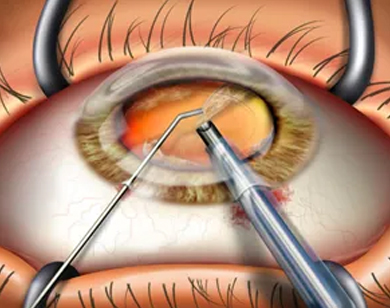
Phacoemulsification (Laser) Cataract Surgery
Phacoemulsification (Laser) is a modern, minimally invasive cataract surgery performed through a very small incision. In this technique, a special ultrasound or laser device gently breaks the cloudy cataract lens into tiny fragments, which are then removed. A clear artificial lens (IOL) is placed in the eye to restore sharp vision. This procedure is painless, safe, and provides quick recovery with excellent visual outcomes.
Symptoms & Causes
Common Symptoms of Cataract
- Blurred or cloudy vision
- Difficulty seeing at night
- Increased sensitivity to light and glare
- Faded or dull colors
- Double vision in one eye
- Frequent changes in glasses prescription
Causes of Cataract
- Natural aging (most common)
- Diabetes
- Long-term UV exposure
- Eye injury or previous eye surgery
- Smoking or alcohol use
- Prolonged steroid medication
- Genetic / family history
Treatment
Cataracts cannot be treated with medicines or glasses. The only effective treatment is cataract surgery when vision begins to affect daily activities.
Phacoemulsification (Laser) Cataract Surgery is the preferred modern treatment because:
- It uses a micro-incision (2–2.2 mm)
- Gives faster recovery
- Provides precise visual outcomes
- Reduces discomfort
- Allows early return to routine activities
After removing the cloudy lens, the surgeon places an Intraocular Lens (IOL) customized to your eye, which restores clear and bright vision.
Prevention
While cataracts cannot always be prevented—especially age-related ones—you can reduce the risk or slow progression by:
- Wearing UV-protective sunglasses
- Controlling diabetes and blood pressure
- Eating antioxidant-rich foods (green leafy vegetables, fruits)
- Avoiding smoking and excessive alcohol
- Regular eye checkups after age 40
- Managing long-term steroid medication with medical guidance