 Ophthalmologist in Navi Mumbai, Maharashtra.
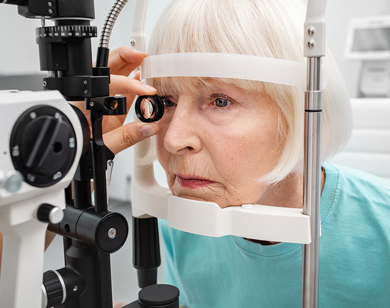
Glaucoma Evaluation (Diagnosis & Treatment)
Glaucoma is a progressive eye condition that damages the optic nerve, usually due to increased eye pressure. Because it often develops without noticeable symptoms, early detection is essential to prevent permanent vision loss. A comprehensive glaucoma evaluation helps identify the condition early and ensures timely management to protect eyesight.
Symptoms & Causes
Common Symptoms of Glaucoma
- Gradual loss of peripheral (side) vision
- Blurred or hazy vision
- Halos around lights
- Eye pain or redness (in acute cases)
- Severe headache with nausea (in acute glaucoma)
- Difficulty seeing in low light
Causes & Risk Factors
- Increased intraocular pressure (IOP)
- Family history of glaucoma
- Age above 40 years
- Diabetes or hypertension
- Previous eye injury or surgery
- Long-term steroid medication use
- Thin cornea or structural eye abnormalities
Treatment
Glaucoma cannot be cured, but it can be effectively controlled with timely treatment. The goal is to reduce eye pressure and prevent further damage to the optic nerve.
Glaucoma treatment may include:
- Prescription eye drops to lower eye pressure
- Oral medications for pressure control (in selected cases)
- Laser procedures (Laser Trabeculoplasty)
- Surgical options for advanced or uncontrolled glaucoma
- Regular monitoring through IOP check, OCT, and visual field tests
Early diagnosis and consistent follow-up are the most important steps in preserving vision.
Prevention
While glaucoma cannot always be prevented, proactive care can significantly reduce the risk of vision loss.
- Get routine eye checkups, especially after age 40
- Monitor and manage diabetes and blood pressure
- Avoid long-term use of steroid eye drops without supervision
- Maintain a healthy lifestyle and regular exercise
- Report any sudden vision changes immediately
- Follow prescribed glaucoma medications regularly