 Ophthalmologist in Navi Mumbai, Maharashtra.
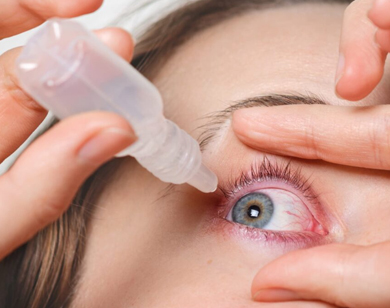
Dry Eye Evaluation & Treatment
Dry eye is a common condition where the eyes do not produce enough tears or the tears evaporate too quickly, causing discomfort and visual disturbance. Our evaluation identifies the root cause and offers personalized treatment to relieve symptoms and protect ocular surface health.
Symptoms & Causes
Common Symptoms
- Persistent dryness or gritty sensation
- Redness and irritation
- Burning or stinging feeling
- Blurred or fluctuating vision
- Excessive tearing (reflex tearing)
- Discomfort with contact lens wear
Common Causes & Risk Factors
- Aging-related tear production decline
- Meibomian gland dysfunction (oil layer problems)
- Prolonged screen time and reduced blinking
- Environmental dryness, air conditioning or heating
- Autoimmune conditions (e.g., Sjögren’s syndrome)
- Certain medications (antihistamines, antidepressants, etc.)
- Contact lens use and eyelid abnormalities
Treatment
Treatment is tailored to the cause and severity. Many patients find relief with a combination of measures that restore tear quantity and quality.
- Artificial tears and lubricating gels for symptom relief
- Warm compresses and lid hygiene for meibomian gland dysfunction
- Omega-3 fatty acid supplements as advised
- Punctal plugs to reduce tear drainage in moderate to severe cases
- Topical anti-inflammatory drops (steroids or ciclosporin) for inflammatory dry eye
- Therapeutic procedures: Meibomian gland expression, IPL or in-office therapies where available
- Adjustment of systemic medications and lifestyle modifications (workstation ergonomics, humidifiers)
Dr. Veena will perform diagnostic tests such as tear breakup time (TBUT), Schirmer’s test, meibography, and slit-lamp assessment to design the best treatment plan.
Prevention & Self-Care
Simple habits can reduce symptoms and protect eye health:
- Follow the 20-20-20 rule during screen use (every 20 minutes look 20 feet away for 20 seconds)
- Blink more frequently and practice conscious blinking
- Use humidifiers in dry environments and avoid direct air flow to the face
- Maintain good eyelid hygiene and avoid eye rubbing
- Stay hydrated and include omega-3 rich foods in your diet
- Attend regular eye checkups and follow prescribed treatments