 Ophthalmologist in Navi Mumbai, Maharashtra.
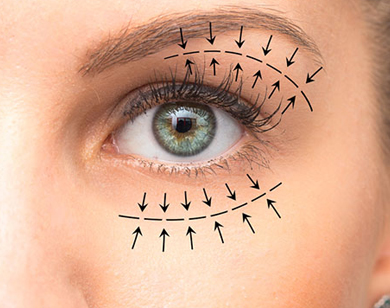
Oculoplasty Services
Oculoplasty focuses on the cosmetic and reconstructive problems of the eyelids, tear ducts and orbit (eye socket). Our oculoplasty services combine delicate surgical skills with functional and aesthetic care to restore comfort, protect the eye, and improve appearance.
Symptoms & Causes
Common Signs That May Need Oculoplasty Evaluation
- Drooping eyelids (ptosis) causing vision difficulty
- Excess eyelid skin (dermatochalasis) or under-eye bags
- Chronic tearing or recurrent eye infections (blocked tear duct)
- Unsightly eyelid lumps, cysts, or chalazion recurrence
- Injury to the eyelids, eyelid malposition (entropion/ectropion)
- Orbital swelling, protrusion of the eye (proptosis) or trauma
Common Causes
- Aging-related tissue laxity
- Previous eyelid surgery or trauma
- Congenital eyelid abnormalities
- Chronic inflammation or infections
- Tear duct obstruction from infection or scarring
- Orbital diseases or thyroid eye disease
Treatment
Oculoplasty treatments are tailored to restore function and appearance. Options may include:
- Eyelid surgeries: ptosis repair, blepharoplasty (upper/lower eyelid lift)
- Correction of eyelid malposition: entropion/ectropion repair
- Tear duct procedures: dacryocystorhinostomy (DCR) or canalicular repair
- Removal of eyelid lumps, cysts, or repair after trauma
- Reconstructive procedures following injury or tumor excision
- Minor aesthetic eyelid procedures performed with safety and care
Each treatment plan is discussed with you in detail, including expected outcomes, recovery time, and follow-up care to ensure comfort and clarity throughout the process.
Prevention & Care
While some conditions are age-related or genetic, the following measures can help maintain eyelid and orbital health:
- Promptly treat eyelid infections and chronic inflammation
- Avoid rubbing the eyes and protect them from injury
- Use prescribed eye drops and follow-up as advised
- Wear protective eyewear during sports or hazardous work
- Maintain control of systemic conditions (e.g., thyroid disorders)
- Regular eye examinations to detect changes early